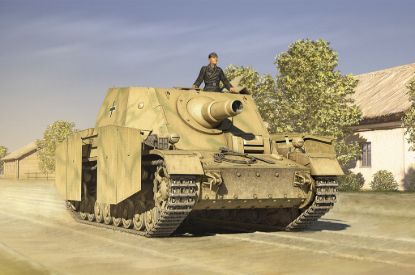
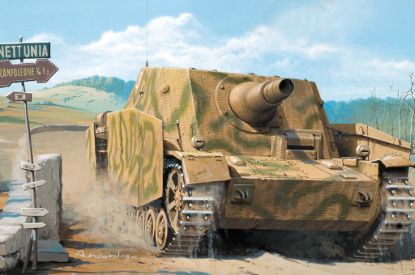
The Sturmpanzer (also known as Sturmpanzer 43 or Sd.Kfz. 166) is a German armoured infantry support gun based on the Panzer IV chassis used in the Second World War. It was used at the Battles of Kursk, Anzio, Normandy, and was deployed in the Warsaw Uprising. It was known by the nickname Brummbär (German: "Grouch")[Note 1] by Allied intelligence, a name which was not used by the Germans. German soldiers nicknamed it the "Stupa", a contraction of the term Sturmpanzer. Just over 300 vehicles were built and they were assigned to four independent battalions.
The Sturmpanzer (also known as Sturmpanzer 43 or Sd.Kfz. 166) is a German armoured infantry support gun based on the Panzer IV chassis used in the Second World War. It was used at the Battles of Kursk, Anzio, Normandy, and was deployed in the Warsaw Uprising. It was known by the nickname Brummbär (German: "Grouch")[Note 1] by Allied intelligence, a name which was not used by the Germans. German soldiers nicknamed it the "Stupa", a contraction of the term Sturmpanzer. Just over 300 vehicles were built and they were assigned to four independent battalions.
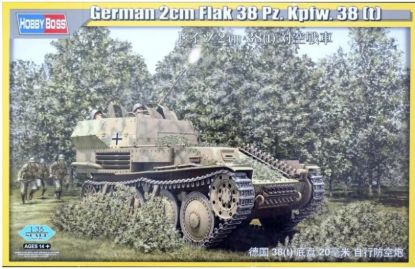
The Flakpanzer 38(t), officially named Flakpanzer 38(t) auf Selbstfahrlafette 38(t) Ausf M (Sd.Kfz. 140), was a German self-propelled anti-aircraft gun used in World War II. It is sometimes incorrectly referred to as the Gepard, which may lead to confusion with the unrelated Flakpanzer Gepard.
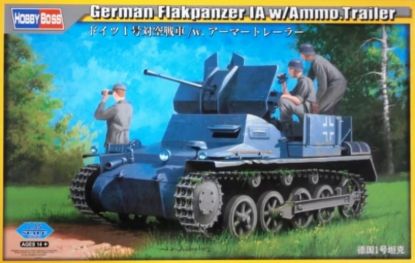
The Panzer I saw combat in the Spanish Civil War and WWII. The Panzer I's design history can be traced to the British Carden Loyd tankette, of which it borrowed much of its track and suspension design.
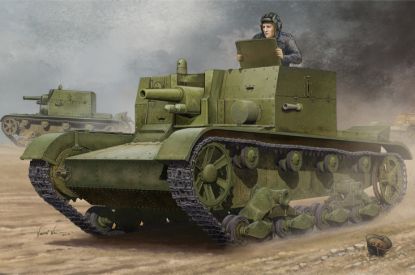
The AT-1 is a Soviet self-propelled gun prototype developed in the 1930s, based on the T-26 light tank chassis, featuring a 76.2 mm gun and designed for artillery support.
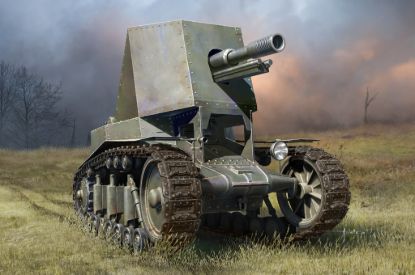
The SU-18 SPH is a Soviet self-propelled gun that was based on the T-18 chassis and used a 76.2-mm regimental gun model 1927. The design was based on a captured French Renault FT-17BS, but it replaced the turret with a truncated pyramid shape. The SU-18 had an ammunition capacity of 4-6 rounds and was known for its relatively slow speed and short range.
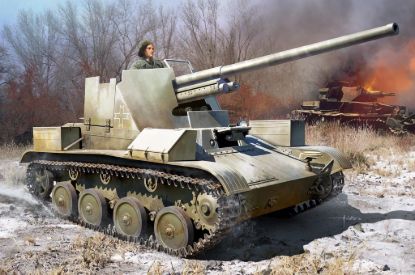
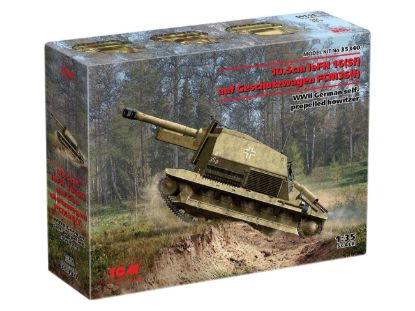
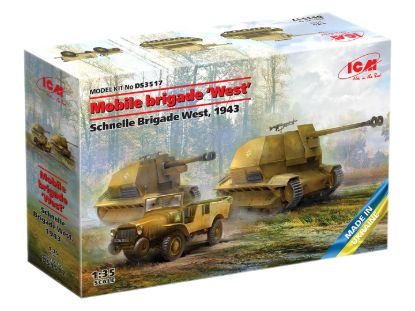
This set includes the German 10.5cm leFH 16(Sf) auf Geschutzwagen FCM36 (f) self-propelled artillery, the Marder I on FCM 36 Base tank destroyer and Laffly V15T.
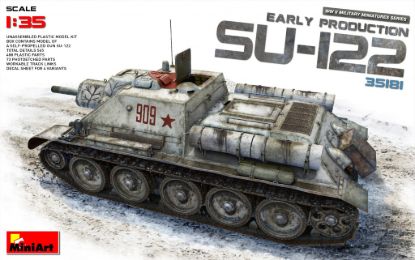
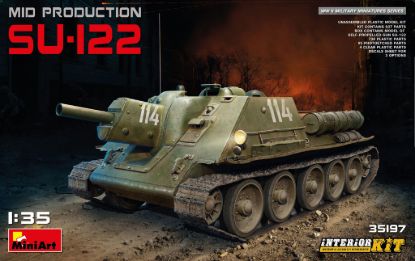
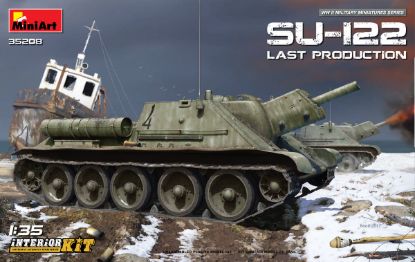
The SU-122 (from Samokhodnaya Ustanovka 122 mm) was a Soviet self-propelled howitzer or assault gun used during World War II. The number "122" in the designation represents the caliber of the main armament, a 122 mm M-30S howitzer. The chassis was that of the T-34.
The SU-122 (from Samokhodnaya Ustanovka 122 mm) was a Soviet self-propelled howitzer or assault gun used during World War II. The number "122" in the designation represents the caliber of the main armament, a 122 mm M-30S howitzer. The chassis was that of the T-34.
The SU-122 (from Samokhodnaya Ustanovka 122 mm) was a Soviet self-propelled howitzer or assault gun used during World War II. The number "122" in the designation represents the caliber of the main armament, a 122 mm M-30S howitzer. The chassis was that of the T-34.
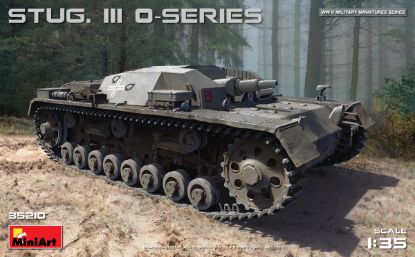
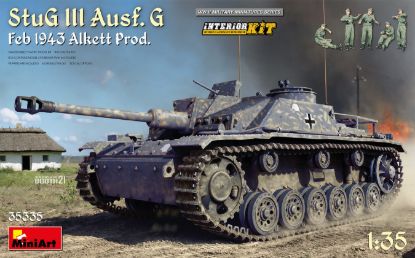
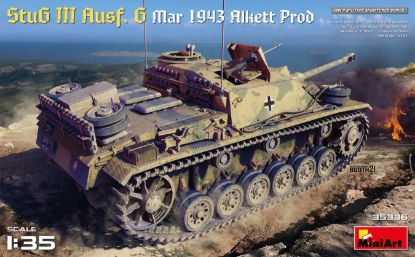
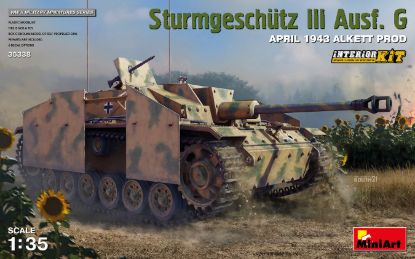
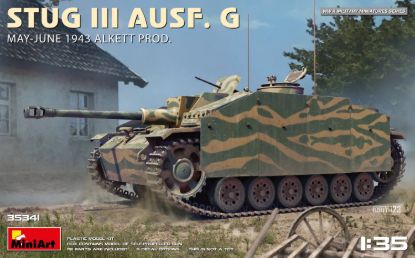
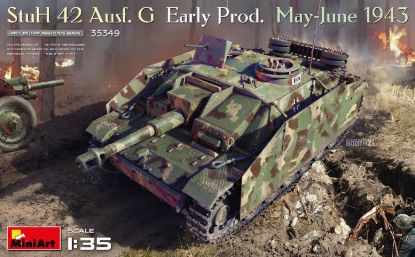
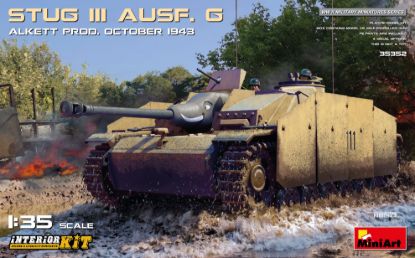
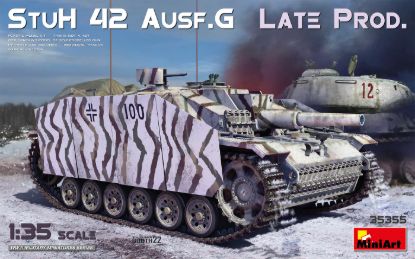
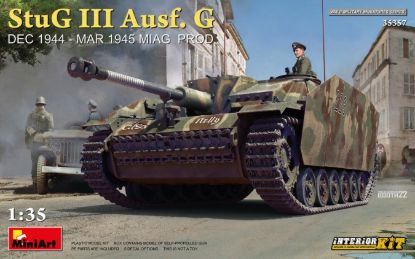
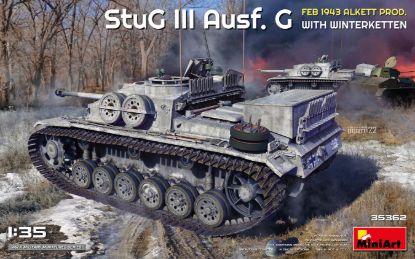
The Sturmgeschütz III (StuG III) was an assault gun produced by Germany during World War II. It was the most-produced German fully tracked armoured fighting vehicle, and second-most produced German armored combat vehicle of any type after the Sd.Kfz. 251 half-track. It was built on a slightly modified Panzer III chassis, replacing the turret with an armored, fixed superstructure mounting a more powerful gun. Initially intended as a mobile assault gun for direct-fire support for infantry, the StuG III was continually modified, and much like the later Jagdpanzer vehicles, was employed as a tank destroyer.
The Sturmgeschütz III (StuG III) was an assault gun produced by Germany during World War II. It was the most-produced German fully tracked armoured fighting vehicle, and second-most produced German armored combat vehicle of any type after the Sd.Kfz. 251 half-track. It was built on a slightly modified Panzer III chassis, replacing the turret with an armored, fixed superstructure mounting a more powerful gun. Initially intended as a mobile assault gun for direct-fire support for infantry, the StuG III was continually modified, and much like the later Jagdpanzer vehicles, was employed as a tank destroyer.
The Sturmgeschütz III (StuG III) was an assault gun produced by Germany during World War II. It was the most-produced German fully tracked armoured fighting vehicle, and second-most produced German armored combat vehicle of any type after the Sd.Kfz. 251 half-track. It was built on a slightly modified Panzer III chassis, replacing the turret with an armored, fixed superstructure mounting a more powerful gun. Initially intended as a mobile assault gun for direct-fire support for infantry, the StuG III was continually modified, and much like the later Jagdpanzer vehicles, was employed as a tank destroyer.
The Sturmgeschütz III (StuG III) was an assault gun produced by Germany during World War II. It was the most-produced German fully tracked armoured fighting vehicle, and second-most produced German armored combat vehicle of any type after the Sd.Kfz. 251 half-track. It was built on a slightly modified Panzer III chassis, replacing the turret with an armored, fixed superstructure mounting a more powerful gun. Initially intended as a mobile assault gun for direct-fire support for infantry, the StuG III was continually modified, and much like the later Jagdpanzer vehicles, was employed as a tank destroyer.
The Sturmgeschütz III (StuG III) was an assault gun produced by Germany during World War II. It was the most-produced German fully tracked armoured fighting vehicle, and second-most produced German armored combat vehicle of any type after the Sd.Kfz. 251 half-track. It was built on a slightly modified Panzer III chassis, replacing the turret with an armored, fixed superstructure mounting a more powerful gun. Initially intended as a mobile assault gun for direct-fire support for infantry, the StuG III was continually modified, and much like the later Jagdpanzer vehicles, was employed as a tank destroyer.
The Sturmgeschütz III (StuG III) was an assault gun produced by Germany during World War II. It was the most-produced German fully tracked armoured fighting vehicle, and second-most produced German armored combat vehicle of any type after the Sd.Kfz. 251 half-track. It was built on a slightly modified Panzer III chassis, replacing the turret with an armored, fixed superstructure mounting a more powerful gun. Initially intended as a mobile assault gun for direct-fire support for infantry, the StuG III was continually modified, and much like the later Jagdpanzer vehicles, was employed as a tank destroyer.
The Sturmgeschütz III (StuG III) was an assault gun produced by Germany during World War II. It was the most-produced German fully tracked armoured fighting vehicle, and second-most produced German armored combat vehicle of any type after the Sd.Kfz. 251 half-track. It was built on a slightly modified Panzer III chassis, replacing the turret with an armored, fixed superstructure mounting a more powerful gun. Initially intended as a mobile assault gun for direct-fire support for infantry, the StuG III was continually modified, and much like the later Jagdpanzer vehicles, was employed as a tank destroyer.
The Sturmgeschütz III (StuG III) was an assault gun produced by Germany during World War II. It was the most-produced German fully tracked armoured fighting vehicle, and second-most produced German armored combat vehicle of any type after the Sd.Kfz. 251 half-track. It was built on a slightly modified Panzer III chassis, replacing the turret with an armored, fixed superstructure mounting a more powerful gun. Initially intended as a mobile assault gun for direct-fire support for infantry, the StuG III was continually modified, and much like the later Jagdpanzer vehicles, was employed as a tank destroyer.
The Sturmgeschütz III (StuG III) was an assault gun produced by Germany during World War II. It was the most-produced German fully tracked armoured fighting vehicle, and second-most produced German armored combat vehicle of any type after the Sd.Kfz. 251 half-track. It was built on a slightly modified Panzer III chassis, replacing the turret with an armored, fixed superstructure mounting a more powerful gun. Initially intended as a mobile assault gun for direct-fire support for infantry, the StuG III was continually modified, and much like the later Jagdpanzer vehicles, was employed as a tank destroyer.
The Sturmgeschütz III (StuG III) was an assault gun produced by Germany during World War II. It was the most-produced German fully tracked armoured fighting vehicle, and second-most produced German armored combat vehicle of any type after the Sd.Kfz. 251 half-track. It was built on a slightly modified Panzer III chassis, replacing the turret with an armored, fixed superstructure mounting a more powerful gun. Initially intended as a mobile assault gun for direct-fire support for infantry, the StuG III was continually modified, and much like the later Jagdpanzer vehicles, was employed as a tank destroyer.