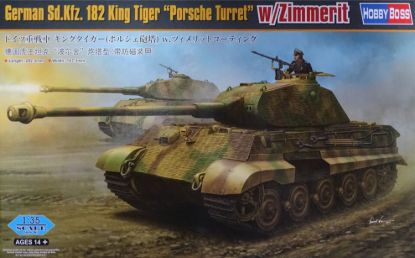
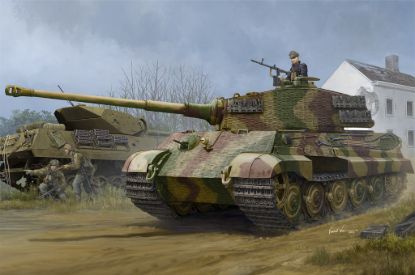
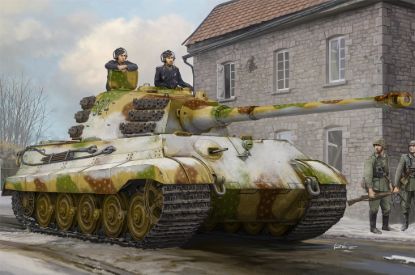
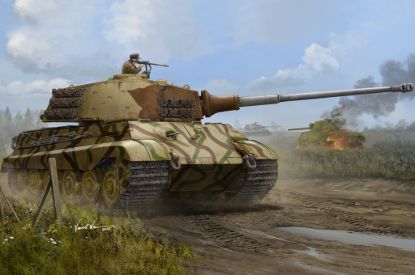
The Tiger II was the successor to the Tiger I, combining the latter's thick armour with the armour sloping used on the Panther medium tank. Contemporaneous Allied soldiers often called it the King Tiger or Royal Tiger. It was the costliest German tank to produce at the time. The tank weighed almost 70 tonnes and was protected by 100 to 185 mm (3.9 to 7.3 in) of armour to the front. It was armed with the long barrelled (71 calibres) 8.8 cm KwK 43 anti-tank cannon. The chassis was also the basis for the Jagdtiger turretless Jagdpanzer anti-tank vehicle.
The Tiger II was the successor to the Tiger I, combining the latter's thick armour with the armour sloping used on the Panther medium tank. Contemporaneous Allied soldiers often called it the King Tiger or Royal Tiger. It was the costliest German tank to produce at the time. The tank weighed almost 70 tonnes and was protected by 100 to 185 mm (3.9 to 7.3 in) of armour to the front. It was armed with the long barrelled (71 calibres) 8.8 cm KwK 43 anti-tank cannon. The chassis was also the basis for the Jagdtiger turretless Jagdpanzer anti-tank vehicle.
The Tiger II was the successor to the Tiger I, combining the latter's thick armour with the armour sloping used on the Panther medium tank. Contemporaneous Allied soldiers often called it the King Tiger or Royal Tiger. It was the costliest German tank to produce at the time. The tank weighed almost 70 tonnes and was protected by 100 to 185 mm (3.9 to 7.3 in) of armour to the front. It was armed with the long barrelled (71 calibres) 8.8 cm KwK 43 anti-tank cannon. The chassis was also the basis for the Jagdtiger turretless Jagdpanzer anti-tank vehicle.
The Tiger II was the successor to the Tiger I, combining the latter's thick armour with the armour sloping used on the Panther medium tank. Contemporaneous Allied soldiers often called it the King Tiger or Royal Tiger. It was the costliest German tank to produce at the time. The tank weighed almost 70 tonnes and was protected by 100 to 185 mm (3.9 to 7.3 in) of armour to the front. It was armed with the long barrelled (71 calibres) 8.8 cm KwK 43 anti-tank cannon. The chassis was also the basis for the Jagdtiger turretless Jagdpanzer anti-tank vehicle.
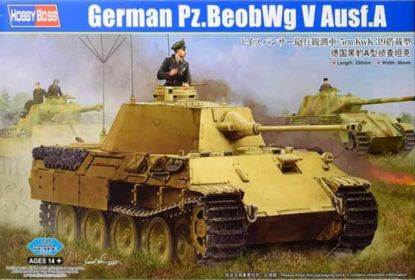
The Pz.BeobWg V Ausf.A, also known as the Panther IV artillery observation tank, was developed as a successor to the Panther IV. It was based on the A-type hull and equipped with a swivel turret and a dummy barrel. By the end of the war, about 40 vehicles had been completed, and some were said to have been deployed in combat.
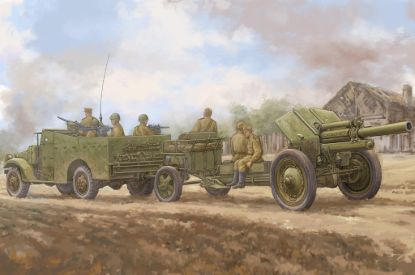
The M3A1 Scout Car, also known as the White Scout Car, was an American armored car produced during World War II. It was used in various roles, including patrol, scouting, command vehicle, ambulance, and gun tractor.
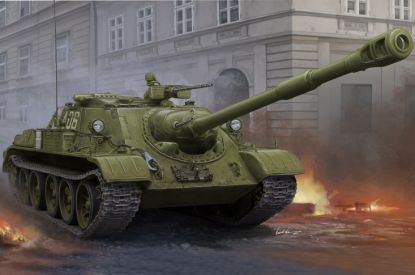
This elusive vehicle was rarely reported on in the West, and for some time its existence and many of the details surrounding it were unknown. Despite the secrecy surrounding it, however, the SU-122-54 was a very real vehicle that saw service, seeing use in some of the largest Soviet military actions of the 1960s. The SU-122-54 was developed, put into production, fielded, and retired, all whilst managing to remain largely a secret from NATO forces.
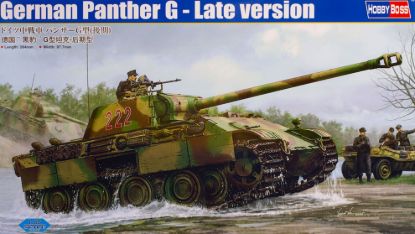
The Panther I Ausf G was the final version of the Panther to enter production during the Second World War, and was produced in larger numbers than the previous two versions combined.
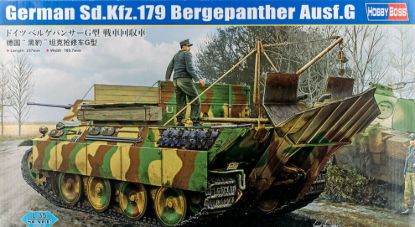
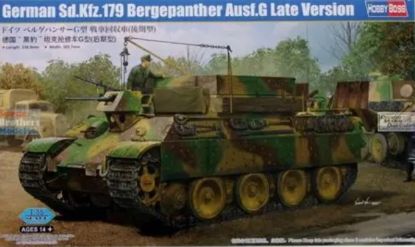
The Bergepanzerwagen V (Sd.Kfz. 179), often referred to as the "Bergepanther", was an armoured recovery vehicle used by the German Army in WWII. It was a variant of the Panzerkampfwagen V Panther (Sd.Kfz. 171).
The Bergepanzerwagen V (Sd.Kfz. 179), often referred to as the "Bergepanther", was an armoured recovery vehicle used by the German Army in WWII. It was a variant of the Panzerkampfwagen V Panther (Sd.Kfz. 171).
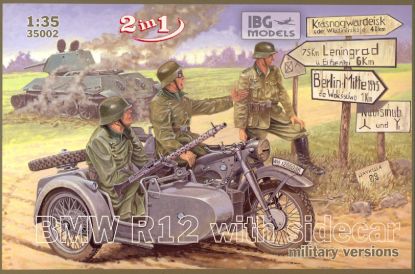
By 1942, the total number of BMW R12 motorcycles manufactured, for military purposes, was 36,000. the single carburetor Einvergaser motor was only available for the R12.
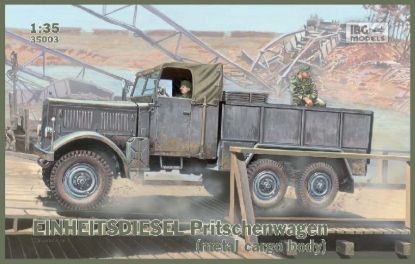
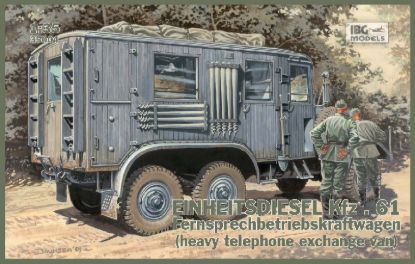
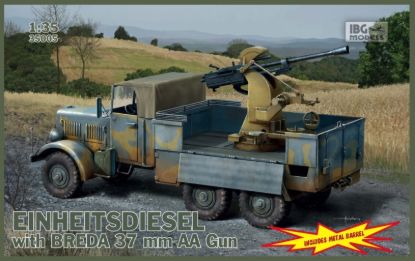
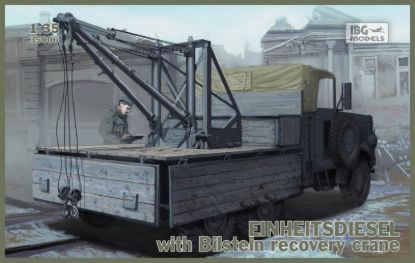
The Einheitsdiesel trucks were a significant part of the military history of the Wehrmacht during World War II. They were developed to standardize the military's vehicle fleet, which had previously consisted of a disparate collection of often-modified civilian models.
The Einheitsdiesel trucks were a significant part of the military history of the Wehrmacht during World War II. They were developed to standardize the military's vehicle fleet, which had previously consisted of a disparate collection of often-modified civilian models.
The Einheitsdiesel trucks were a significant part of the military history of the Wehrmacht during World War II. They were developed to standardize the military's vehicle fleet, which had previously consisted of a disparate collection of often-modified civilian models.
The Einheitsdiesel trucks were a significant part of the military history of the Wehrmacht during World War II. They were developed to standardize the military's vehicle fleet, which had previously consisted of a disparate collection of often-modified civilian models.
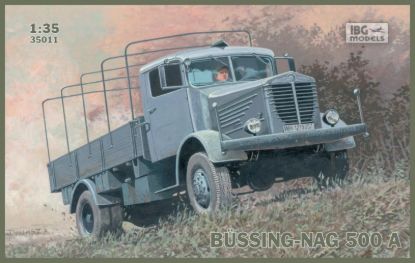
The Büssing-NAG 500 was a significant vehicle in the history of German truck manufacturing. It was produced by Büssing-NAG, a company that became one of the largest European producers of utility vehicles. The Büssing-NAG 500 was known for its heavy-duty capabilities and was used by the Wehrmacht during World War II.
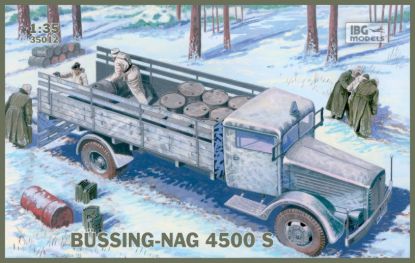
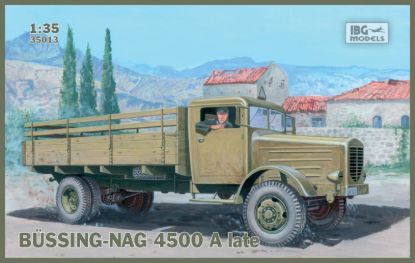
The Bussing-NAG 4500 series was a significant part of the German military's heavy truck production during World War II. These trucks were known for their reliability and were used to transport fuel, ammunition, and troops across Europe's battlefields. The 4500 series was produced from 1941 to 1945, with nearly 15,000 units manufactured.
The Bussing-NAG 4500 series was a significant part of the German military's heavy truck production during World War II. These trucks were known for their reliability and were used to transport fuel, ammunition, and troops across Europe's battlefields. The 4500 series was produced from 1941 to 1945, with nearly 15,000 units manufactured.