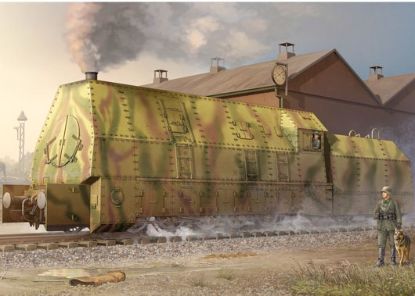
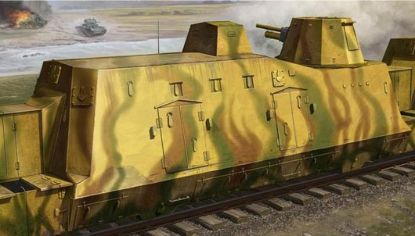
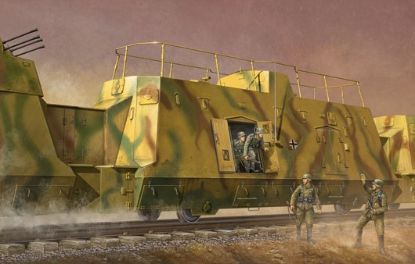
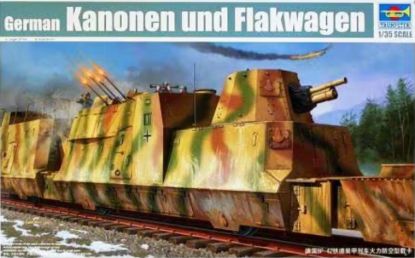
The Panzerlok BR57 was a crucial part of the German military's armored train strategy during World War II. It was designed to provide protection for the locomotive and its cargo, making it an effective tool for the Wehrmacht.
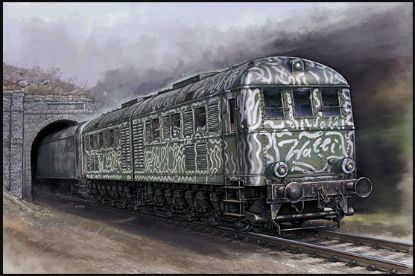
The Wehrmacht's locomotive D 311 was a significant piece of military history, particularly for its role in transporting the largest railway cannons ever built.
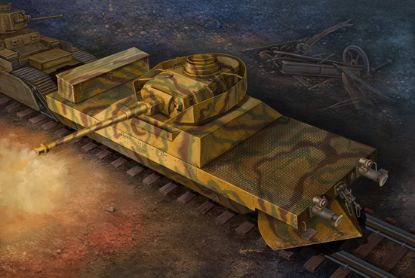
The vehicle was also called the Panzerwagen IV auf Zugwagen. To cut down any ambiguity, there was a "Panzerturm-IV auf Panzer Zugwagen" which was not only on rail, but existed as dug-in variant (panzerturm). The latter was conceived during the final battles of WW2. Generally tanks were previous items, but due to engine breakage, parts missing or just a tank being destroyed and unable to be repaired but with the hull mostly intact as the turret, it was tempting to have these buried impromptu "tank-busting" bunkers. Many were mismatch of parts typical of the "panzerturm" like an Ausf E hull with Ausf J turret. Some even received zimmerit. Panzerturm came in many places and types, but northern Italy was the most common ground for these. Low on the ground, they were a harder target to hit.
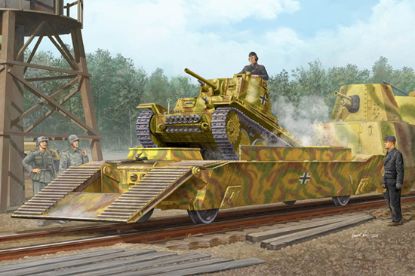
The Panzer 38(t), originally designed as the Czechoslovak LT vz. 38, became a significant light tank for the German Wehrmacht during World War II, known for its reliability and adaptability.
The BP42 was a significant development in the military history of Germany during World War II. It was designed to protect critical rail lines and provide mobile firepower.
The BP42 was a significant development in the military history of Germany during World War II. It was designed to protect critical rail lines and provide mobile firepower.
The BP42 was a significant development in the military history of Germany during World War II. It was designed to protect critical rail lines and provide mobile firepower.