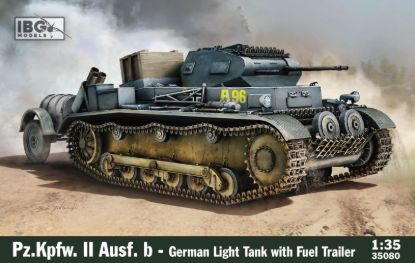
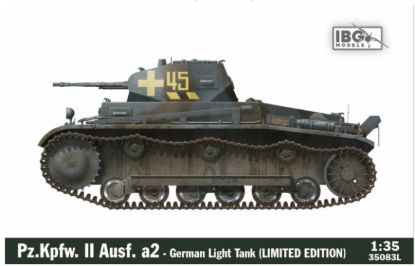
Although the vehicle had originally been designed as a stopgap while larger, more advanced tanks were developed, it nonetheless went on to play an important role in the early years of World War II, during the Polish and French campaigns. The Panzer II was the most numerous tank in the German Panzer divisions at the beginning of the war. It was used both in North Africa against the Western Allies and on the Eastern Front against the Soviet Union.
Although the vehicle had originally been designed as a stopgap while larger, more advanced tanks were developed, it nonetheless went on to play an important role in the early years of World War II, during the Polish and French campaigns. The Panzer II was the most numerous tank in the German Panzer divisions at the beginning of the war. It was used both in North Africa against the Western Allies and on the Eastern Front against the Soviet Union.
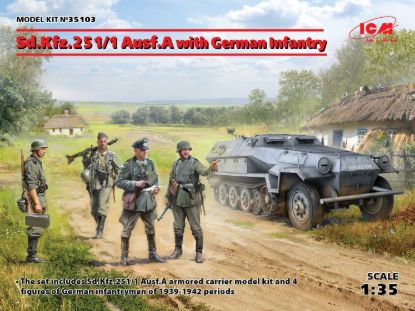
The Sd.Kfz. 251/1, also known as the mittlere Schützenpanzerwagen (IR) Falke, was the standard German personnel carrier and a significant vehicle in the military history of World War II. It was designed to transport a squad of Panzergrenadiers to the battlefield, providing protection from small arms fire and artillery shrapnel. The vehicle was armed with two MG34 or MG42 machine guns for defense and direct support. The Sd.Kfz. 251/1 was used extensively by Nazi Germany during the war, particularly on the Eastern front, and later in the Western front.
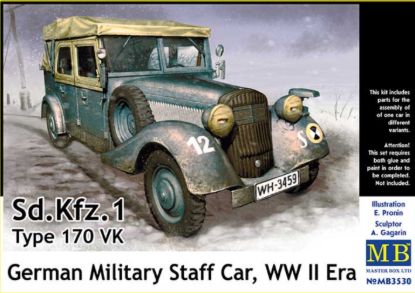
The Sd.Kfz. 1 Type 170 VK, also known as the Mercedes-Benz 170 VK, was a military vehicle adapted from the civilian 170V model. It was designed for military use, featuring a tough frame, flat surfaces, and off-road tires, making it suitable for rough terrain.
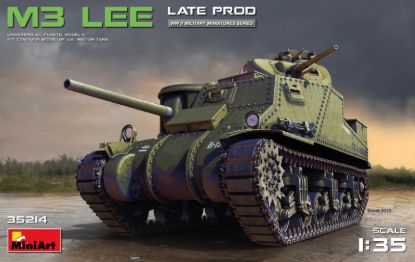
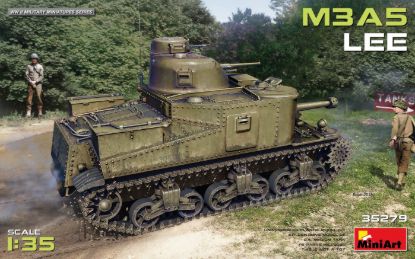
The M3 Lee, officially Medium Tank, M3, was an American medium tank used during World War II. The turret was produced in two different forms, one for US needs and one modified to British requirements to place the radio next to the commander. In British Commonwealth service, the tank was called by two names: tanks employing US-pattern turrets were called "Lee", named after Confederate general Robert E. Lee, while those with British-pattern turrets were known as "Grant", named after Union general Ulysses S. Grant.
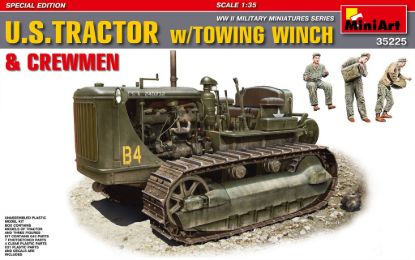
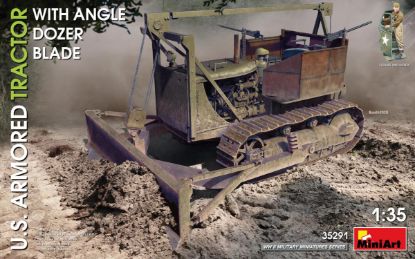
The Caterpillar D7 tractors have a rich history, having been instrumental in the military efforts during World War II, Korea, and Vietnam. They were known for their ruggedness and reliability, making them a vital part of the U.S. Army's equipment. The D7 tractors were used in various capacities, including building roads, clearing debris, and pushing through tough terrain.
The M3A5 medium tank upgrades included, Diesel-engined variant with rivetted hull; Twin GM 6-71 diesel engines coupled together to make the GM6046 powerpack; Side doors welded shut or later eliminated. 591 M3A3 medium tanks were built, 387 as Grant IIs, 23 supplied to Brazil.
The Caterpillar D7 tractors have a rich history, having been instrumental in the military efforts during World War II, Korea, and Vietnam. They were known for their ruggedness and reliability, making them a vital part of the U.S. Army's equipment. The D7 tractors were used in various capacities, including building roads, clearing debris, and pushing through tough terrain.
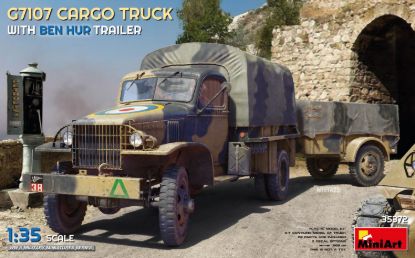
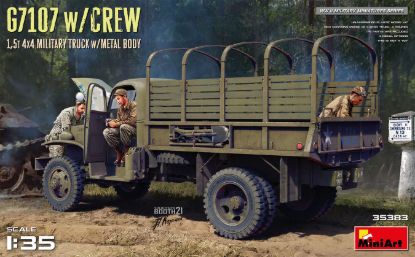
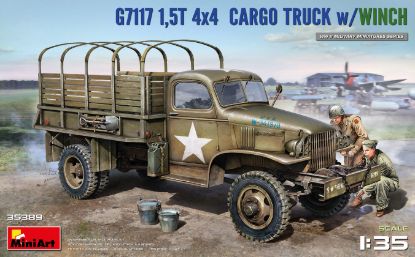
The Chevrolet G7100, also known as the G506, was a significant part of the United States Army's logistics during World War II. These trucks were produced in large numbers by Chevrolet and became standard 1-ton 4x4 trucks for the US Army and Army Air Corps.
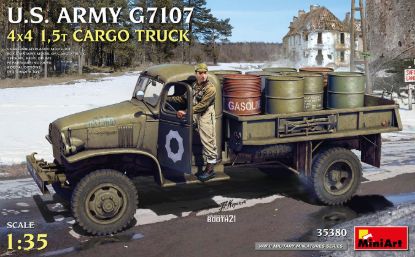
The Chevrolet G7100, also known as the G506, was a significant part of the United States Army's logistics during World War II. These trucks were produced in large numbers by Chevrolet and became standard 1-ton 4x4 trucks for the US Army and Army Air Corps.
The Chevrolet G7100, also known as the G506, was a significant part of the United States Army's logistics during World War II. These trucks were produced in large numbers by Chevrolet and became standard 1-ton 4x4 trucks for the US Army and Army Air Corps.
The Chevrolet G7100, also known as the G506, was a significant part of the United States Army's logistics during World War II. These trucks were produced in large numbers by Chevrolet and became standard 1-ton 4x4 trucks for the US Army and Army Air Corps.