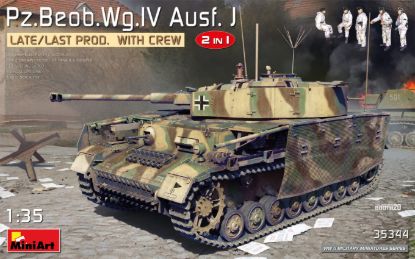
The Panzerbeobachtungswagen IV (Pz. Beob. Wg. IV) was an artillery observation vehicle built on the Panzer IV chassis. This, too, received new radio equipment and an electrical generator, installed in the left rear corner of the fighting compartment. Panzerbeobachtungswagen worked in cooperation with Wespe and Hummel self-propelled artillery batteries.
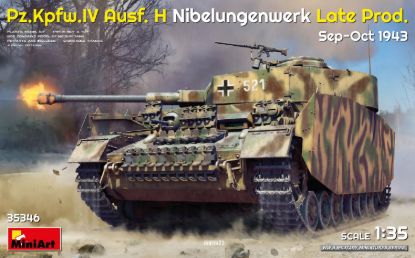
The Panzer IV was originally intended to be used only on a limited scale, so initially Krupp was its sole manufacturer. Prior to the Polish campaign, only 217 Panzer IVs had been produced: 35 Ausf. A; 42 Ausf. B; and 140 Ausf. C; in 1941, production was extended to Vogtländische Maschinenfabrik ("VOMAG") (located in the city of Plauen) and the Nibelungenwerk in the Austrian city of St. Valentin.
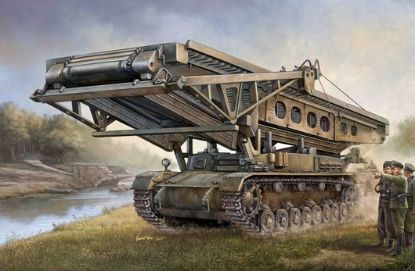
The Bruckenleger IV b was a bridge-layer mounted on the hull of the Panzer IV Ausf. D, with a total of twenty units built. These vehicles were supplied to the BL Zug (Bridging Platoon) of the 1st, 2nd, 3rd, 5th, and 10th Panzer Divisions, serving in France and the Low Countries before being withdrawn in mid-1941. The Bruckenleger IV b was known for its role in overcoming obstacles during combat, but its service with the troops was not rated well, leading to the decision to cancel further production and convert existing platforms back to conventional tanks.