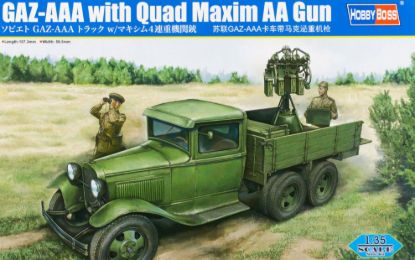
The GAZ-AAA was a significant vehicle in the Soviet military history, serving as a backbone for Red Army transportation during World War II. It was used in various roles, including as a mobile air-defense system, anti-aircraft unit, and even as infantry support.
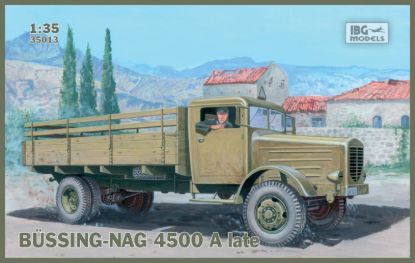
The Bussing-NAG 4500 series was a significant part of the German military's heavy truck production during World War II. These trucks were known for their reliability and were used to transport fuel, ammunition, and troops across Europe's battlefields. The 4500 series was produced from 1941 to 1945, with nearly 15,000 units manufactured.
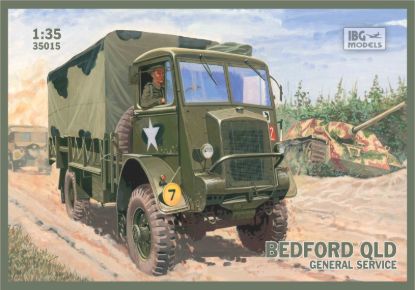
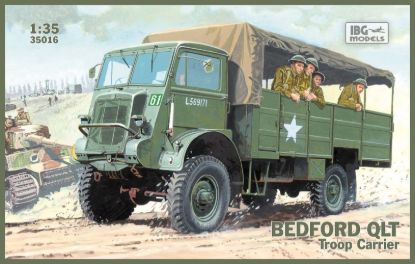
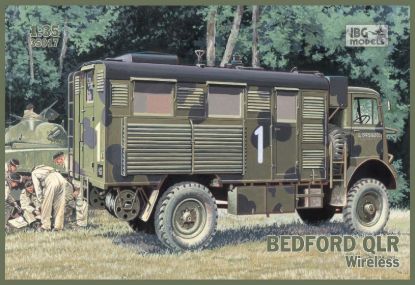
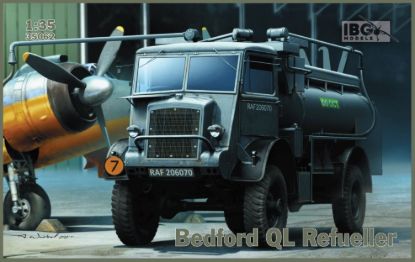
QLR Signals vehicle - Originally mounted on the QLC chassis/cab, special QLR chassis were soon put into production, which differed from the standard type in having special electrical equipment, radio suppression, fitment of a 660 W auxiliary generator driven by the transfer case power-take-off and, like the QLT, two 16 gallon petrol tanks instead of one behind the cab. The interior furniture, partitioning and radio equipment varied with the different functions. On vehicles installed for the wireless role, a tent could be erected at the rear. Between the cab and main body were lockers for aerial masts and other equipment. Beneath the body were further lockers and racks for cable drums, batteries, tyre chains, 20 gallon drinking water tank, rectifier box, tools, fuel tank for the auxiliary engine, jerrycans and other items. The basic body shells were produced by Duple, Lagonda, Mulliner, Tickford and others. A revised body was introduced during 1944 for the Command High and Low Power and Wireless High Power roles. This body had an improved L-shaped tent which could be erected alongside the left-hand side and rear of the body.
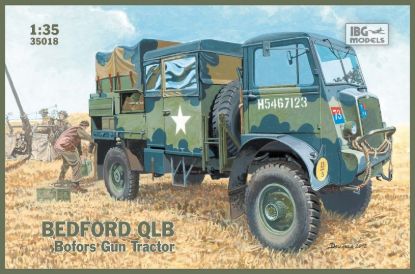
QLB Bofors gun tractor. Approximately 5,500 QLBs were built. Several QLBs were fitted with shortened GS bodies and recovery cranes to be used as wreckers by the Danish Army (Used until late 1960s).
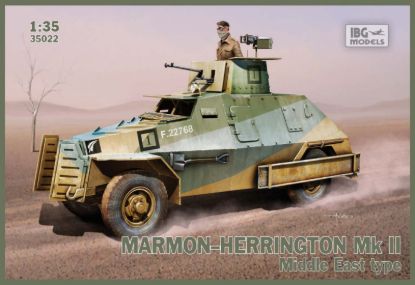
The Marmon–Herrington armoured car was a series of armoured vehicles that were produced in South Africa and adopted by the British Army during World War II.
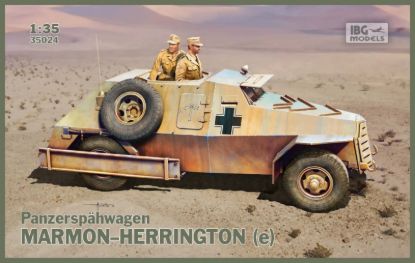
German capture version of the Marmon–Herrington armoured car; a series of armoured vehicles that were produced in South Africa and adopted by the British Army during World War II.
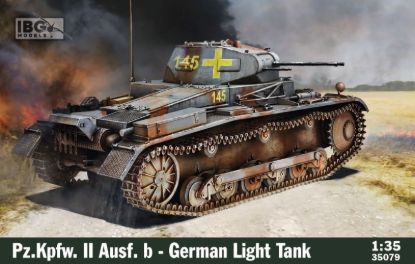
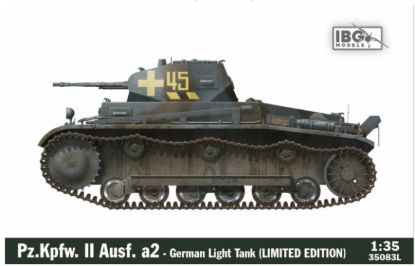
Although the vehicle had originally been designed as a stopgap while larger, more advanced tanks were developed, it nonetheless went on to play an important role in the early years of World War II, during the Polish and French campaigns. The Panzer II was the most numerous tank in the German Panzer divisions at the beginning of the war. It was used both in North Africa against the Western Allies and on the Eastern Front against the Soviet Union.
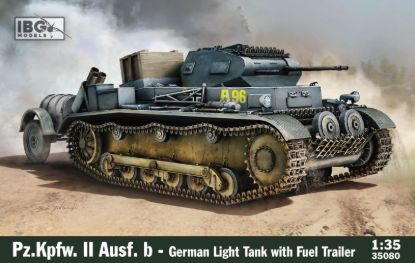
Although the vehicle had originally been designed as a stopgap while larger, more advanced tanks were developed, it nonetheless went on to play an important role in the early years of World War II, during the Polish and French campaigns. The Panzer II was the most numerous tank in the German Panzer divisions at the beginning of the war. It was used both in North Africa against the Western Allies and on the Eastern Front against the Soviet Union.
Although the vehicle had originally been designed as a stopgap while larger, more advanced tanks were developed, it nonetheless went on to play an important role in the early years of World War II, during the Polish and French campaigns. The Panzer II was the most numerous tank in the German Panzer divisions at the beginning of the war. It was used both in North Africa against the Western Allies and on the Eastern Front against the Soviet Union.
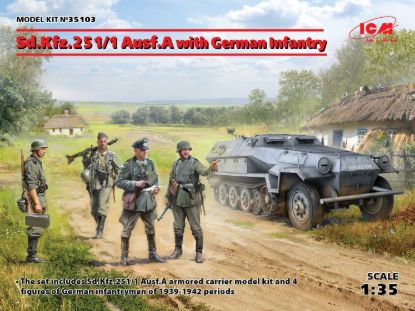
The Sd.Kfz. 251/1, also known as the mittlere Schützenpanzerwagen (IR) Falke, was the standard German personnel carrier and a significant vehicle in the military history of World War II. It was designed to transport a squad of Panzergrenadiers to the battlefield, providing protection from small arms fire and artillery shrapnel. The vehicle was armed with two MG34 or MG42 machine guns for defense and direct support. The Sd.Kfz. 251/1 was used extensively by Nazi Germany during the war, particularly on the Eastern front, and later in the Western front.
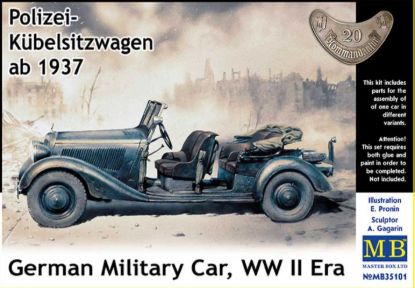
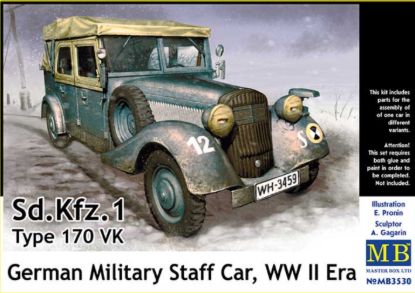
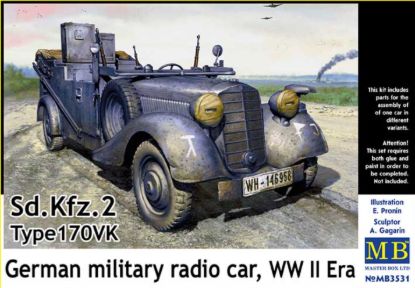
The Sd.Kfz. 1 Type 170 VK, also known as the Mercedes-Benz 170 VK, was a military vehicle adapted from the civilian 170V model. It was designed for military use, featuring a tough frame, flat surfaces, and off-road tires, making it suitable for rough terrain.
The Sd.Kfz. 1 Type 170 VK, also known as the Mercedes-Benz 170 VK, was a military vehicle adapted from the civilian 170V model. It was designed for military use, featuring a tough frame, flat surfaces, and off-road tires, making it suitable for rough terrain.
The Mercedes-Benz 170 VK exemplified the German Wehrmacht’s need for rugged, adaptable support vehicles during WWII. Its design balanced civilian comfort with military necessity, and its simplicity made it reliable in the field. Though not heavily armored or armed, some versions featured field adjustments or were used as staff cars. Though they were typically assigned to logistics units, signals detachments, and officer transportation roles.